Mykonos has some of the clearest water in the Aegean, and several beaches and coves offer excellent snorkelling without needing a boat. The best spots are the rocky edges of sheltered bays (Paranga, Psarou, and the headlands around Agios Sostis), where you'll find parrotfish, moray eels, sea horses, octopus, and barracuda in water clear enough to see 15-20 metres. Guided snorkelling tours start from about 85 EUR with gear included.
In this guide
Most visitors come to Mykonos for the beaches and never put their head underwater. That's a mistake. The same clarity that makes the beaches look like postcards also makes the underwater world visible to anyone with a mask and a snorkel. You don't need scuba certification, you don't need a boat (though boats help), and you don't need any experience beyond being comfortable in the water.
Best Snorkelling Spots
From the Shore (Free)
These spots are accessible by walking into the water from the beach. Bring your own mask and snorkel.
| Beach | What You'll See | Access |
|---|---|---|
| Paranga | Rocky outcrops on both sides of the bay, sea urchins, small fish, octopus in the rocks | Bus to Platis Gialos, then walk or water taxi |
| Psarou | Crystal-clear sheltered bay, sandy bottom with fish, rocky edges worth exploring | Bus from Fabrika station |
| Agios Sostis | Undeveloped beach, rocky coastline, diverse marine life, fewer snorkellers | Car or scooter only (no bus) |
| Lia Beach | Calm bay on the east coast, good visibility, rocky edges | Car or taxi |
| Kalafatis | Rocky headland on the east side, fish around the rocks | Bus in summer |
| Agios Ioannis | West coast beach with rocky sections, calmer water | Bus or taxi |
The general rule: sandy beach centres are less interesting for snorkelling. Head to the edges where sand meets rock, and that's where the marine life concentrates.
Paranga was the best shore snorkelling I found on Mykonos. The right side of the bay has a rocky shelf about waist-deep, and within five minutes I'd seen an octopus wedged between two rocks, a shoal of something silver, and what I'm fairly sure was a moray eel disappearing into a crevice.
By Boat (Guided)
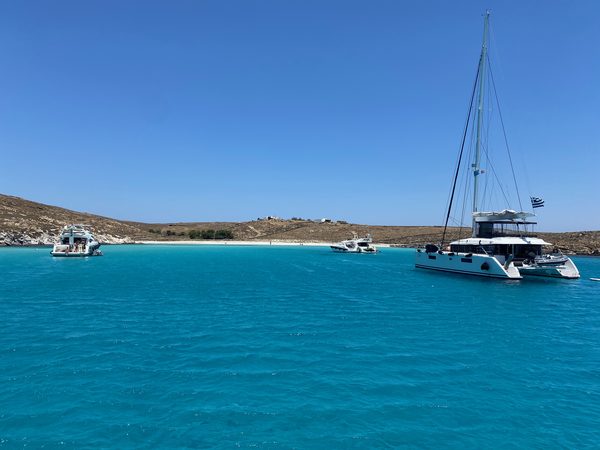
Boat tours reach spots you can't get to from shore: secluded coves, sea caves, and deeper reefs along the south coast.
| Tour Type | Duration | Price | What's Included |
|---|---|---|---|
| Short boat + snorkel | About 50 minutes | From 85 EUR | Boat ride, gear, guide |
| Half-day snorkel tour | 3-4 hours | 100-150 EUR | Multiple stops, gear, guide, sometimes lunch |
| Full-day boat tour with snorkelling | 6-8 hours | 120-200 EUR | Multiple stops, meals, drinks, gear |
| Kayak + snorkel combo | 3-4 hours | 80-120 EUR | Kayaking, snorkel stops, guide, gear |
Boat tours typically depart from Mykonos Town harbour or Ornos Bay. The south coast's sheltered coves and the area around Delos/Rhenia offer the clearest water and best marine life.
What Marine Life Will You See?
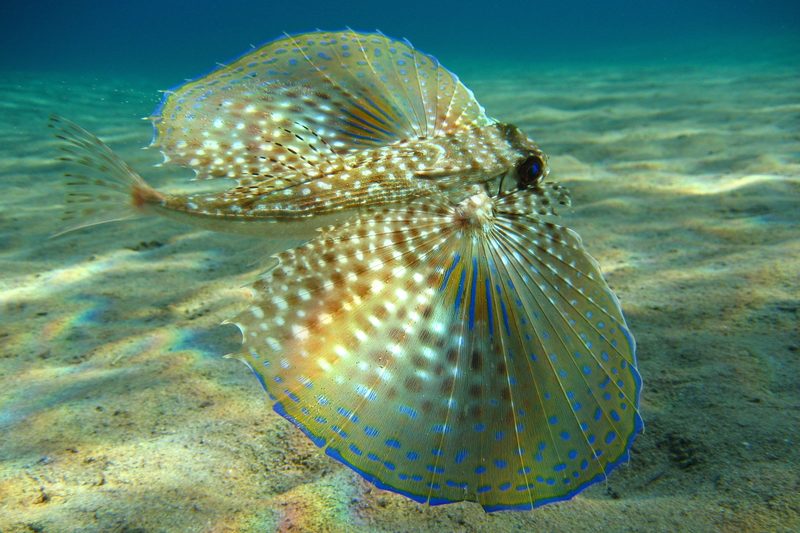
The Aegean around Mykonos supports a surprising variety of marine life:
- Fish: Parrotfish, damselfish, wrasse, barracuda (deeper water), sea bream, shoals of small silver fish
- Invertebrates: Octopus, sea urchins (watch where you step), starfish, nudibranchs
- Eels: Moray eels hide in rocky crevices, harmless if you don't stick your hands in holes
- Sea horses: Occasionally spotted in seagrass beds, particularly in calmer, shallower areas
- Visibility: 15-25 metres on a good day. The Aegean's clarity is exceptional.
What Gear Do You Need?
Essential
- Mask. Bring your own for the best fit. Rental masks often leak.
- Snorkel. A simple J-tube works fine. Dry-top models prevent water entry.
- Water shoes or reef shoes. The rocky entries at the best snorkelling spots can be sharp. Sea urchin spines are painful.
Optional
- Fins. Help you cover more ground and handle any current. Short fins are easier for beginners.
- Rash guard or wetsuit top. Sun protection and warmth. The water can be cool in May-June, even when the air is hot.
- Waterproof camera or phone case. The visibility deserves documentation.
Rental
Snorkelling gear is available for rent at most organised beaches and from water sports centres. Expect to pay 10-15 EUR for a mask and snorkel set. Quality varies. Your own gear is always better.
When Is the Best Time to Snorkel?
Morning (before 11:00). The water is calmest, the visibility is best, and the fish are most active. Wind typically picks up in the afternoon.
June-September. Water temperature ranges from 22-26 degrees C. Warm enough to snorkel comfortably for an hour without a wetsuit. May and October are cooler (18-21 degrees) but still possible.
Calm days. The Meltemi wind (July-August) can stir up the water and reduce visibility, particularly on north-facing beaches. On windy days, head to the sheltered south coast. Psarou, Paranga, and the bays between Platis Gialos and Elia stay calmer.
What Should You Know Before Going?
- Sea urchins are everywhere. The black spiny ones cling to rocks in shallow water. Wear water shoes at rocky entries, watch where you put your feet, and don't grab rocks underwater.
- The best snorkelling is not at the most famous beaches. Paradise and Super Paradise have sandy bottoms and not much to see. The quieter beaches with rocky edges are where the marine life is.
- Bring your own gear if possible. A good-fitting mask is the difference between a frustrating experience and a great one. They're cheap, light, and easy to pack.
- Stay aware of boats. In popular bays during summer, there can be boat traffic. Stay close to the shore or use a brightly-coloured snorkel so boat operators can see you.
- Guided tours are worth it if you want the best spots. Local guides know the coves, the caves, and where the marine life concentrates. The cost of a half-day tour is reasonable for what you see.
- Sunburn is a real risk. Your back is facing the sun for extended periods. Wear a rash guard or apply waterproof sunscreen liberally.
Mykonos has excellent snorkelling at rocky beach edges. Paranga, Psarou, Agios Sostis, and Lia are standouts. Shore snorkelling is free (bring your own gear). Guided boat tours from 85 EUR. Best in morning, calm days, June-September.
Planning more adventures on the island? Browse our complete guide to the best day trips from Mykonos.
Last updated: