Mykonos has clear Aegean water with 20-30 metre visibility, established dive centres operating since 1978, and dive sites that include underwater caves, reef walls, and rocky drop-offs teeming with marine life. You don't need certification. Beginner "Discover Scuba" programmes take you underwater on your first day. Certified divers can book single-tank or multi-tank dives to deeper sites. PADI and SSI centres operate from Psarou and Paradise Beach.
In this guide
The Aegean around Mykonos isn't the Red Sea or the Maldives. There are no coral reefs or tropical fish. What it offers instead is exceptional visibility, interesting rock formations, caves and swim-throughs, and a healthy population of Mediterranean marine life. The water is warm enough to dive comfortably from May to October, and the dive centres are professional, well-equipped, and experienced.
Dive Centres
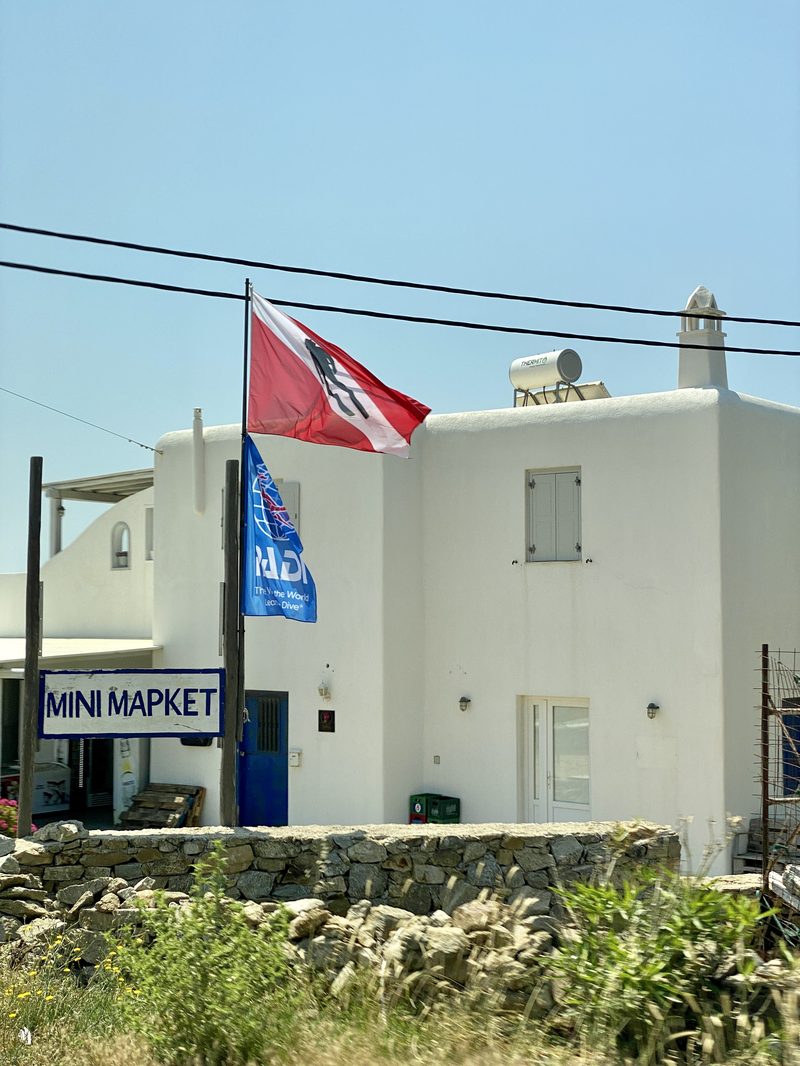
Two main centres operate on Mykonos:
| Centre | Location | Established | Affiliations |
|---|---|---|---|
| Mykonos Diving Center | Psarou Beach | 1978 | PADI, SSI |
| GoDive Diving Centre | Paradise Beach | Recent | PADI, SSI |
Mykonos Diving Center at Psarou is one of the oldest dive operations in Greece, running since 1978. They know every rock and crevice around the island. The location at Psarou means you're diving in some of the clearest water on the south coast.
GoDive at Paradise Beach is a newer operation with a good reputation. Paradise Beach is about 4.5 km from Mykonos Town.
Both centres provide all equipment: BCD, regulator, wetsuit, mask, fins. The gear is well-maintained and regularly replaced. You don't need to bring anything except your certification card (if you have one) and swimwear.
What Diving Options Are Available?
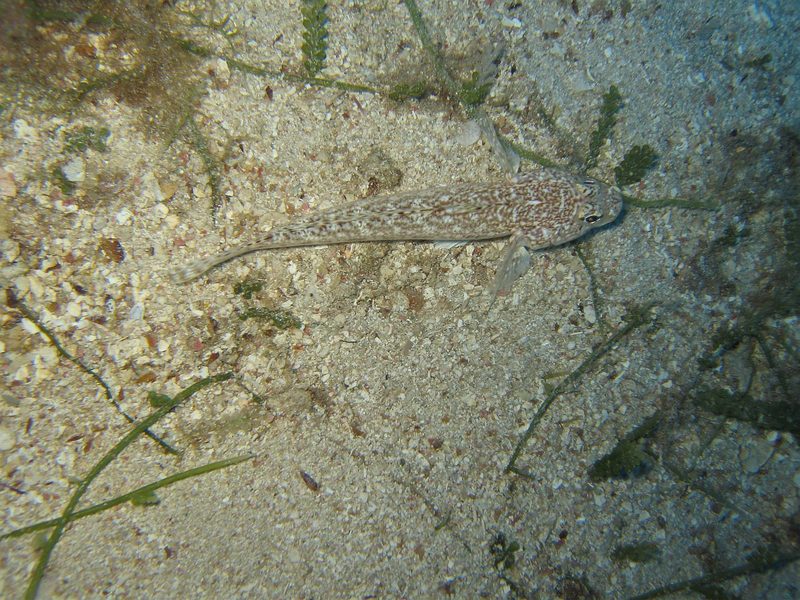
For Beginners (No Certification)
| Programme | What It Involves | Duration | Age Requirement |
|---|---|---|---|
| Discover Scuba Diving | Briefing, pool/shallow water skills, one open-water dive to about 6-12 metres | 2-3 hours | 10+ years |
| Private Discover Scuba | Same as above but one-on-one with an instructor | 2-3 hours | 10+ years |
The Discover Scuba programme is the way in for non-divers. You start with a short video briefing and learn basic skills in shallow water (how to breathe, how to equalise, how to clear your mask). Then you do a guided dive in the open sea, typically to 6-12 metres depth. The instructor stays with you the entire time.
You'll need to fill out a medical questionnaire before diving. Certain conditions (asthma, heart problems, recent surgery) may prevent you from diving. Fill it in accurately. The form exists for your safety.
For Certified Divers
| Dive Type | What It Involves |
|---|---|
| Single-tank dive | One dive at a local site, typically 30-50 minutes underwater |
| Two-tank dive | Two dives in one session, usually at different sites |
| Night dive | Available at some sites -- a completely different experience |
| PADI courses | Open Water, Advanced Open Water, and specialty courses available |
Certified divers can book dives directly. Bring your certification card and logbook. The centres can recommend sites based on your experience level and interests.
What Will You See Underwater?
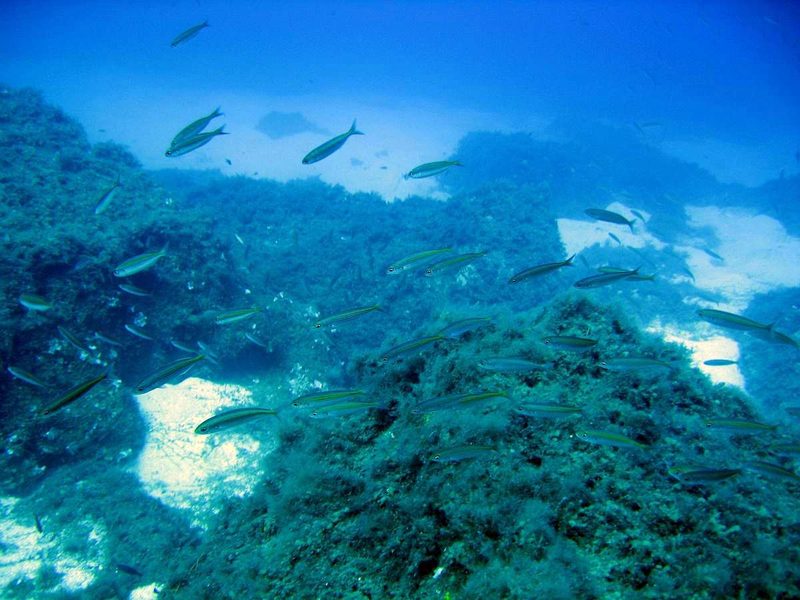
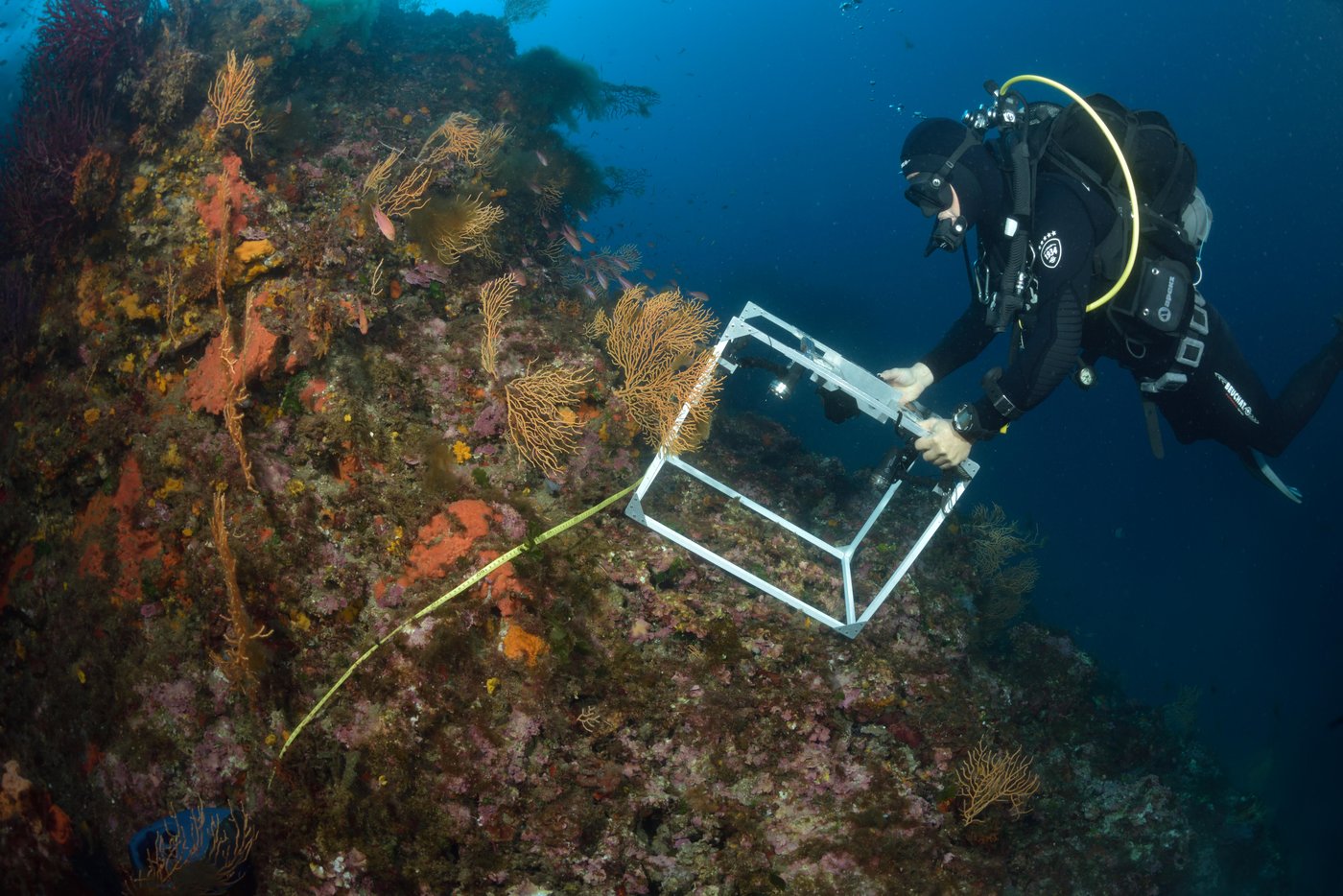
The dive sites around Mykonos feature:
- Rock formations. Walls, overhangs, swim-throughs, and boulders covered in sponges and anemones
- Caves. Several sites have underwater caverns that divers can enter with proper guidance
- Marine life. Grouper, sea bream, barracuda, moray eels, octopus, nudibranchs, scorpionfish
- Visibility. 20-30 metres on a good day. The Aegean's clarity is one of the best features of diving here.
The underwater landscape around Mykonos is volcanic rock: dramatic shapes, unexpected drop-offs, and crevices full of life. It's not technicolour coral, but it has its own austere beauty.
How Much Does It Cost?
Prices vary by centre and programme, and the centres don't always publish them. Typical Cyclades dive centre rates:
| Programme | Approximate Price |
|---|---|
| Discover Scuba Diving | 80-120 EUR |
| Single-tank dive (certified) | 50-70 EUR |
| Two-tank dive (certified) | 80-120 EUR |
| PADI Open Water course | 350-450 EUR |
Check current prices directly with the dive centres or through booking platforms (Viator, GetYourGuide, CheckYeti). Free cancellation is usually available up to 24 hours before.
When Is the Best Time to Dive?
June-September. Water temperature 22-26 degrees C, visibility at its best, calm sea conditions most days. This is the peak diving season.
May and October. Cooler water (18-22 degrees C) but fewer divers and often excellent visibility. A thicker wetsuit makes these months comfortable.
The Meltemi wind (July-August) can affect diving on exposed sites. The south coast (Psarou, Paradise) is more sheltered than the north. Dive centres will adjust plans based on conditions. If your planned site is too rough, they'll take you somewhere calmer.
What Should You Know Before Going?
- You don't need certification to try diving. The Discover Scuba programme is designed for complete beginners and takes you underwater on day one.
- Minimum age is 10 years. Children under 10 cannot dive. Snorkelling is the alternative.
- The medical questionnaire matters. If you answer "yes" to any condition, you may need a doctor's clearance before diving. Don't hide medical issues. Decompression sickness is serious.
- Don't fly within 18-24 hours of diving. Standard rule. Plan your dives accordingly if you're flying out of Mykonos the next day.
- Psarou and Paradise Beach are easy to reach. Bus from Fabrika station to either beach, or a short taxi ride. The dive centres handle everything from there.
- Book at least a day in advance in summer. Morning dives are the most popular and fill up first.
- Bring your certification card. If you're certified, you'll need your PADI/SSI card and ideally your logbook.
Scuba diving in Mykonos is available for beginners (Discover Scuba, no cert needed) and certified divers. Two main centres at Psarou and Paradise Beach. PADI/SSI affiliated. Season May-October. Visibility 20-30 metres. Book through the centres, Viator, or GetYourGuide.
Planning more adventures on the island? Browse our complete guide to the best day trips from Mykonos.
Last updated: